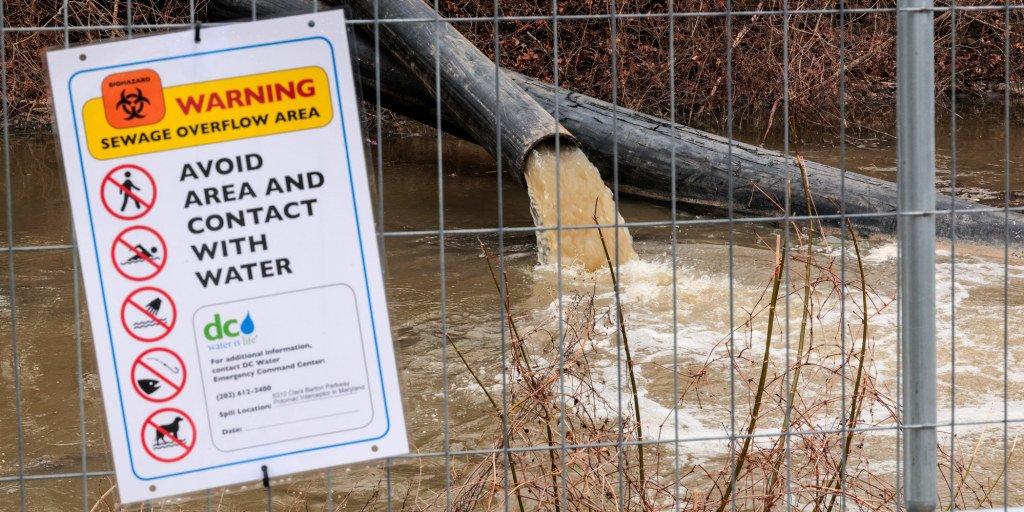
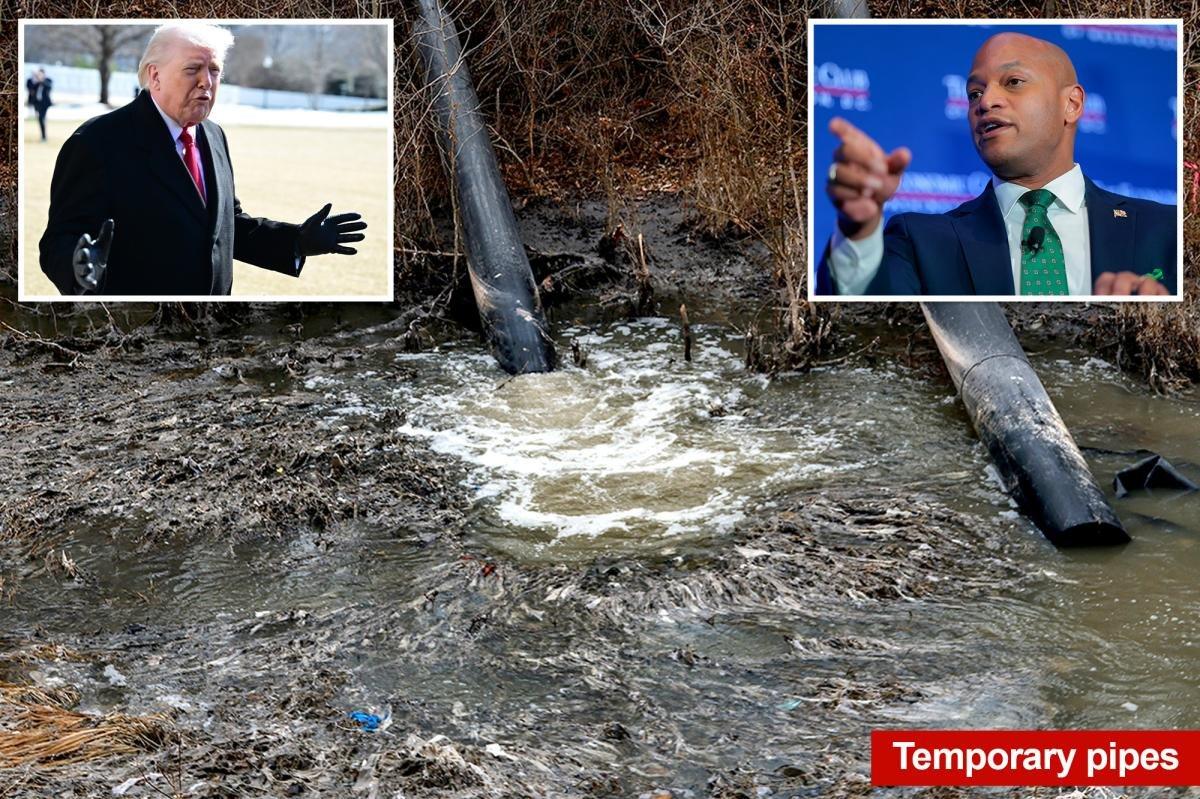
On January 19, 2026, a section of the Potomac Interceptor — a 72-inch diameter sewer line built in the 1960s that carries roughly 60 million gallons of wastewater per day from communities in Virginia and Maryland to a treatment plant in Washington, D.C. — collapsed near Clara Barton Parkway and the C&O Canal National Historical Park in Montgomery County, Maryland. By February 6, approximately 243 million gallons of raw sewage had entered the Potomac River. DC Water crews installed a bypass by January 24 to divert sewage, and flow into the river stopped by January 29. Emergency repairs are expected to be complete by mid-March, with full restoration taking 9–10 months.
E. coli levels near the spill site were found to be hundreds of times above EPA safety thresholds. Officials warned the public to avoid river contact. Drinking water drawn from upstream was deemed unaffected. The University of Maryland has called this one of the largest sewage spills in U.S. history.
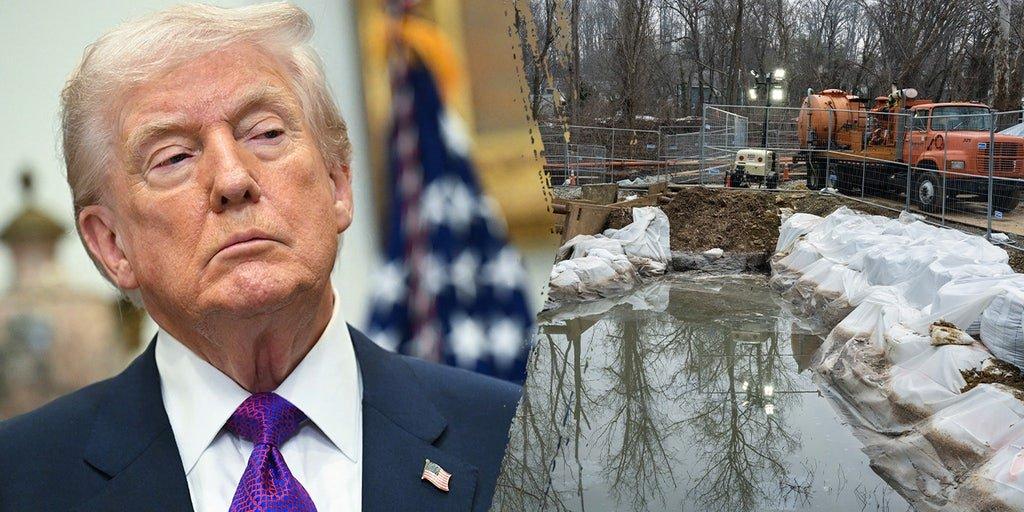
President Trump posted on social media blaming Maryland Gov. Wes Moore and other Democratic officials for 'gross mismanagement,' demanded they ask 'politely' for federal assistance, and said he was directing federal authorities to coordinate the response. Moore pushed back, asserting the Potomac Interceptor has been under federal government responsibility for a century and that the EPA had not participated in a recent legislative hearing on the cleanup. Maryland lawmakers sent a letter to DC Water CEO David Gadis requesting frequent public updates and a comprehensive response.
At a February 18 press briefing, Press Secretary Karoline Leavitt confirmed Trump was concerned the river would still smell during planned America 250 summer celebrations and that the White House was waiting on local governments to formally request federal help under the Stafford Act.