The EPA under the Trump administration finalized a rule last week revoking the 2009 'endangerment finding,' an Obama-era determination that greenhouse gases — including carbon dioxide and methane — endanger public health and welfare. The finding had served as the legal foundation for vehicle emission standards, power plant regulations, and other climate rules under the Clean Air Act. The administration also simultaneously revoked all greenhouse gas emission standards for motor vehicles.
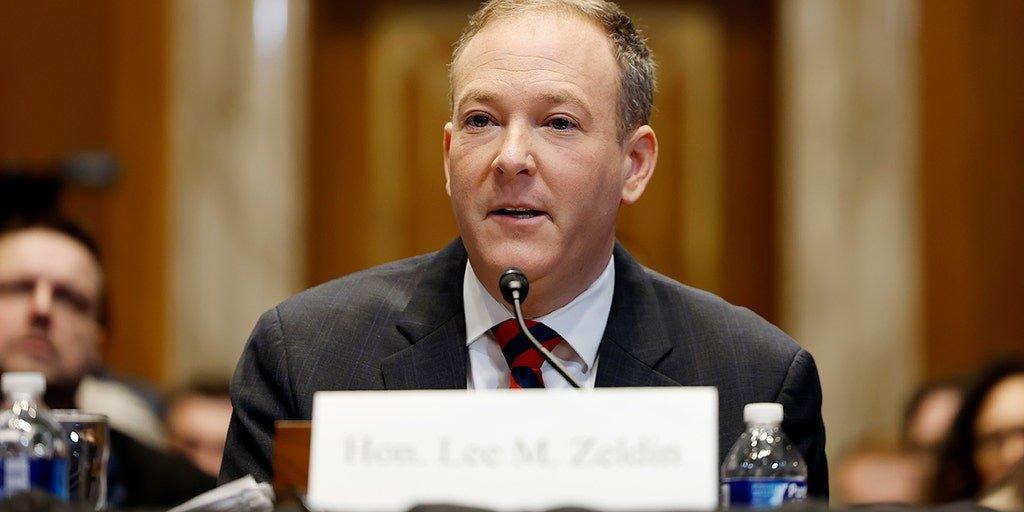
The repeal stems from a legal argument that Congress never clearly authorized EPA to regulate greenhouse gases as pollutants under the Clean Air Act, relying partly on two recent Supreme Court rulings — West Virginia v. EPA (2022) and a 2024 ruling limiting agency deference — that limit broad agency action without explicit congressional authorization. EPA Administrator Lee Zeldin called the finding the source of 'trillions of dollars in hidden costs.'
On Wednesday, a coalition of over a dozen groups including the American Lung Association, Sierra Club, NRDC, and others filed suit in the D.C. Circuit, arguing the EPA is rehashing legal arguments already rejected by the Supreme Court in Massachusetts v. EPA (2007). That 5-4 ruling held greenhouse gases qualify as air pollutants under the Clean Air Act.
State attorneys general from California, Connecticut, and others are also preparing separate lawsuits. Legal analysts broadly expect the case to reach the Supreme Court, whose composition has shifted considerably since 2007 — all five justices in the Massachusetts majority have since left the bench.