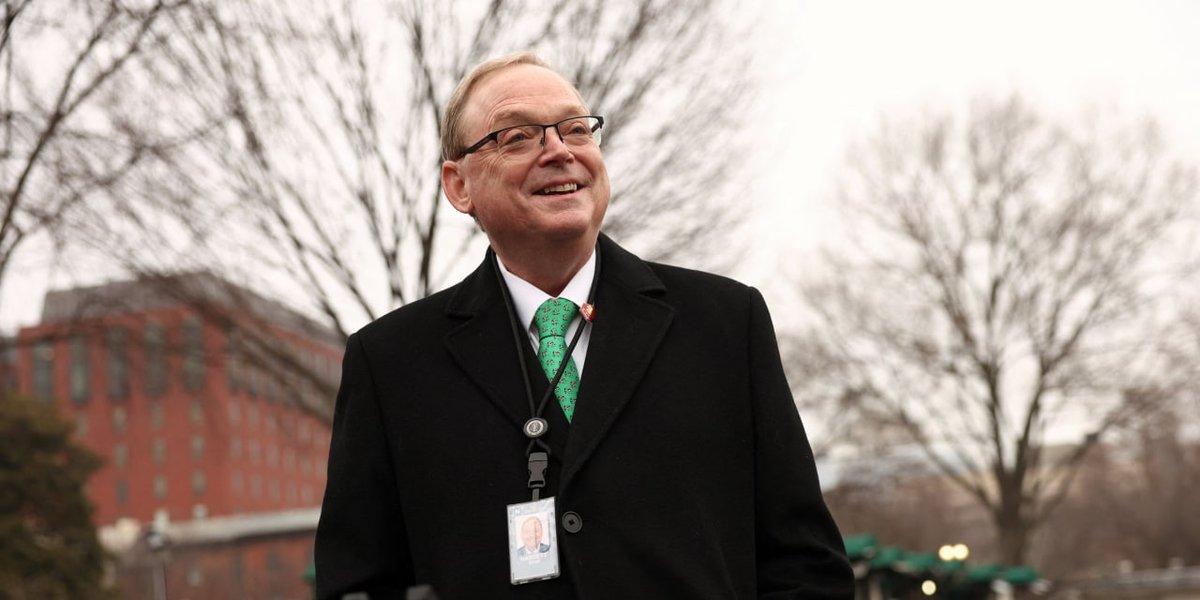
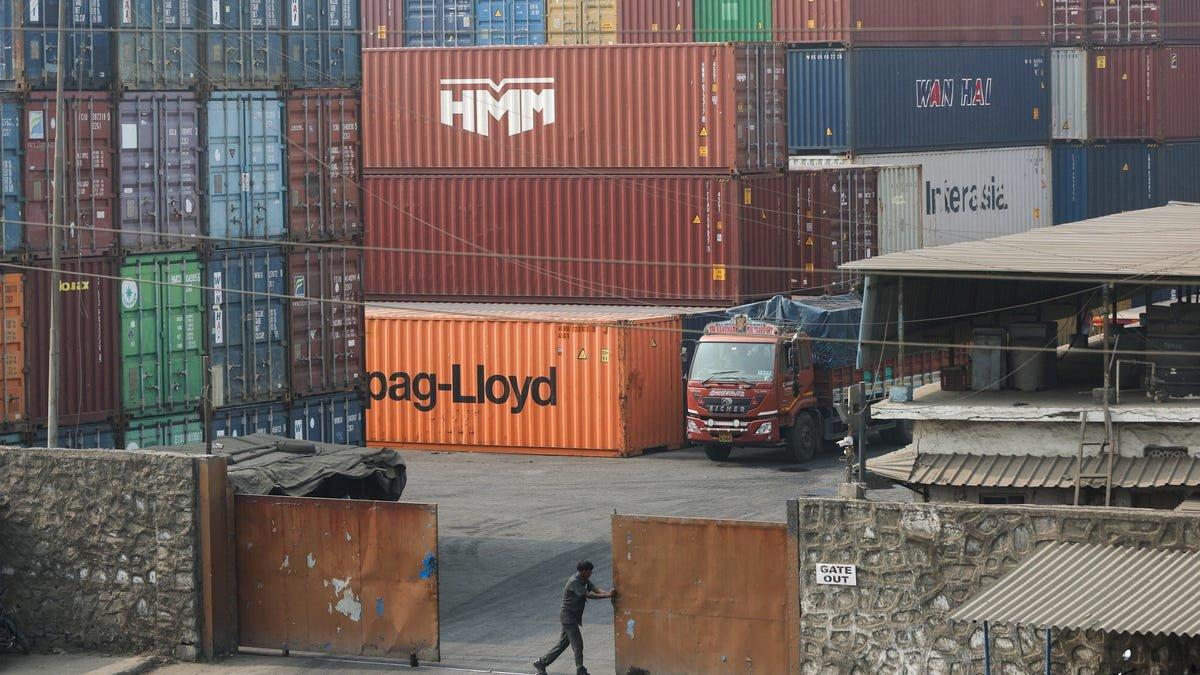
On February 18, 2026, Kevin Hassett, director of the White House National Economic Council, appeared on CNBC's Squawk Box and sharply criticized a February 12 paper published by Federal Reserve Bank of New York economists Mary Amiti, Chris Flanagan, Sebastian Heise, and David Weinstein. The paper found that U.S. importers bore 94% of tariff costs in the first eight months of 2025, declining slightly to 86% by November. The researchers measured whether foreign exporters lowered prices to absorb tariff costs or passed them to U.S. buyers, finding the latter was overwhelmingly the case.
Hassett called the paper an 'embarrassment' and 'the worst paper I've ever seen in the history of the Federal Reserve system,' and said the authors 'should presumably be disciplined.' He argued the study was too narrow, focusing on prices while ignoring quantity adjustments, domestic production shifts, and wage gains. He cited falling inflation, flat December import prices, and a reported $1,400 average real wage increase as evidence consumers benefited from tariffs.
The paper's conclusions align with findings from Harvard Business School, Yale's Budget Lab, the Kiel Institute, the CBO, and the National Bureau of Economic Research, which found near-complete pass-through of tariffs to U.S. import prices. One November NBER paper estimated about 20% of tariff costs ultimately reached consumers, adding roughly 0.7 percentage points to inflation. The New York Fed declined to comment on Hassett's remarks.
Hassett's comments come amid broader White House pressure on the Fed, including a DOJ criminal probe into Fed Chair Jerome Powell, an attempt to remove Fed Governor Lisa Cook currently before the Supreme Court, and the nomination of Kevin Warsh as Powell's replacement.