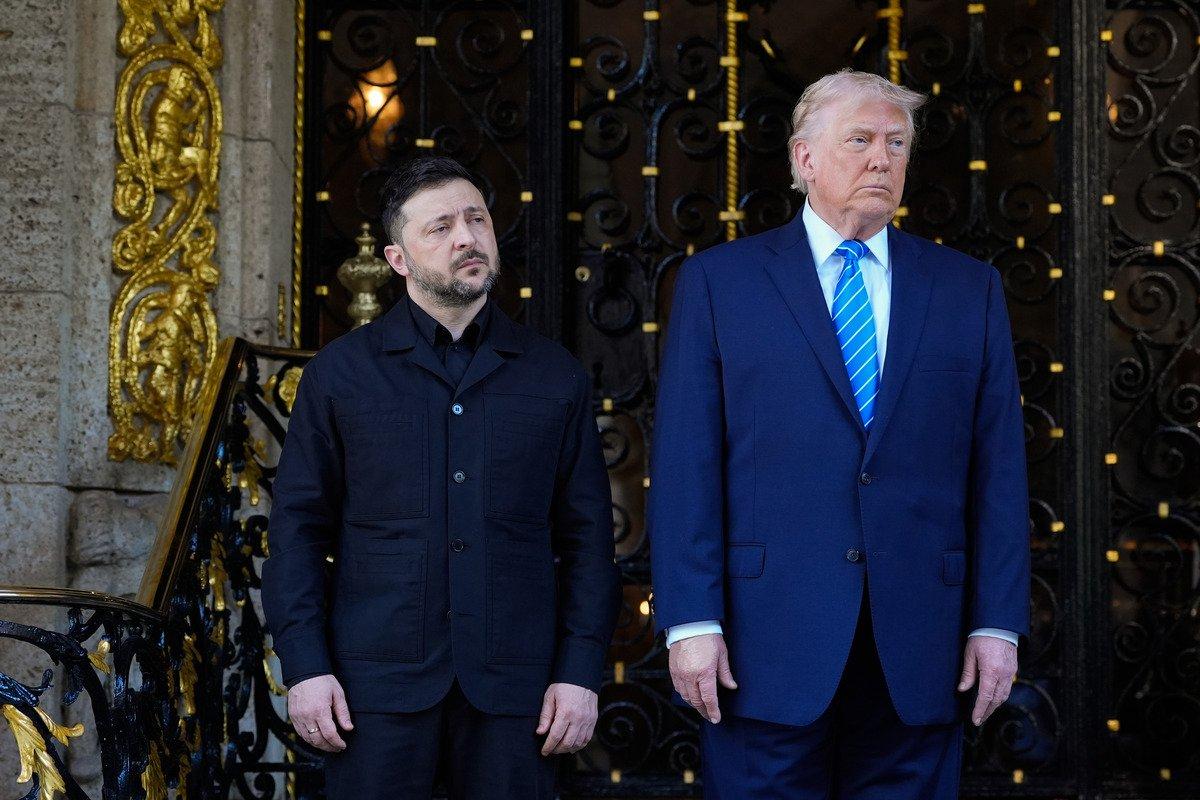
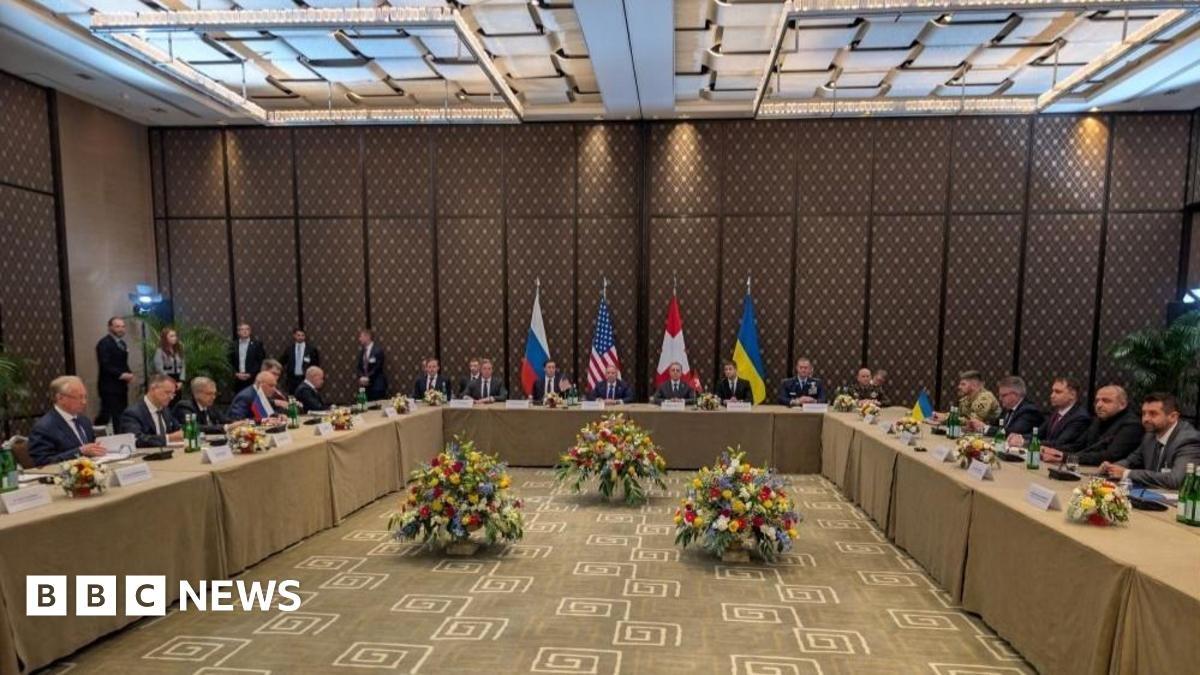
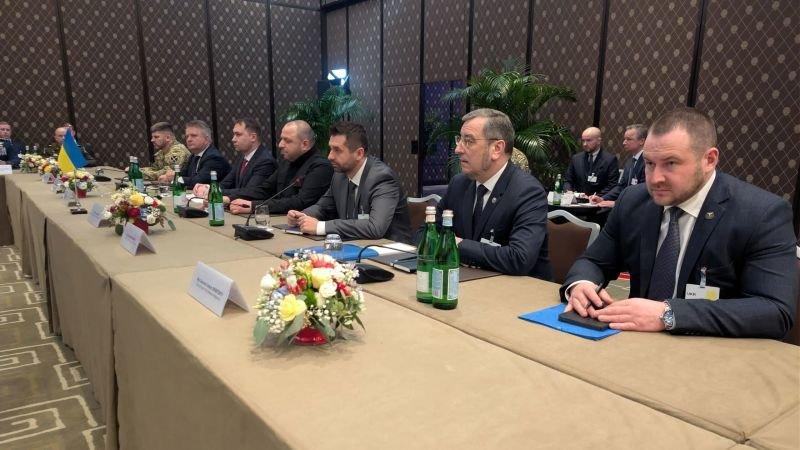
The headline leads with Zelensky 'slamming' Trump and threatening the US will not be 'forgiven,' which dramatically amplifies the adversarial framing between Kyiv and Washington. The article describes talks as having 'collapsed,' stronger than warranted, and emphasizes Zelensky's emotional criticism over substantive diplomatic developments. This framing serves narratives skeptical of Ukraine's position.
Loaded LanguageAppeal to EmotionNarrative FramingContext Stripping
“ZELENSKY has blasted Donald Trump's peace approach as 'unfair'”
“US-led peace talks between Ukraine and Russia collapsed in less than two hours after the Ukrainian leader claimed Trump was piling undue pressure”
This article provides valuable battlefield context absent from most coverage, including Ukraine's territorial gains and analysis of Russian command disruptions. However, it relies heavily on retired US military officials with hawkish views who advocate for continued weapons supply to Ukraine, without balancing with analysts favoring negotiation. The framing of Ukraine's 'moral clarity' as a force multiplier is editorializing, not analysis.
Source Selection BiasLoaded LanguageNarrative Framing
“Ukraine's determination, innovation and moral clarity are force multipliers”
“Putin responds to force. The United States and Europe should continue providing Ukraine with both defensive and offensive capabilities”
This report provides strong context on Russia's maximalist demands beyond territory—including dismantling Zelensky's government and neutrality—which most outlets omit. However, the framing consistently characterizes Russia's position as aimed at 'subjugating Ukraine' and presents Zelensky's narrative favorably, reflecting a directional lean. The use of anonymous European diplomats is appropriate but not contextualized for potential bias.
Loaded LanguageSource Selection BiasNarrative Framing
“U.S.-mediated talks between Moscow and Kyiv in Geneva broke off on Wednesday without any significant progress or indication that Russia was ready to step back from its maximalist demands for subjugating Ukraine”
“The idea of territorial swaps for peace is not Russia's idea. It is Trump's.”
Provides useful context on Medinsky's background and his historical views on Ukraine, which is relevant to understanding Russia's negotiating posture. However, the article's sustained focus on Medinsky as an obstacle—and the inclusion of NATO chief Rutte questioning Putin's seriousness—frames Russia as the primary bad actor without equivalent scrutiny of other parties' positions.
Narrative FramingSource Selection BiasLoaded Language
“To many in Ukraine and outside observers of the war, the lack of progress should be no surprise given the man Putin sent to Geneva”
“Is he serious, Putin, about all of this?”
The headline's truncated framing ('as Zelensky...') creates a misleading implication that Zelensky caused the talks to end. The article emphasizes Ukrainian perspectives and Zelensky's emotional appeals more than Russian positions, and describes the Donetsk defensive line as having 'successfully fended off Russia's invasion force for years,' which is editorializing. Coverage of Russian drone strikes is included but positioned to support the Ukrainian narrative.
Loaded LanguageSelective OmissionNarrative FramingAppeal to Emotion
“Emotionally, people will never forgive this. Never. They will not forgive ... me, they will not forgive [the US”
“Russia fired 126 attack drones and a ballistic missile at Ukraine”
Generally comprehensive reporting that includes battlefield context, Ukrainian military gains, and multiple perspectives. However, it describes the talks as having 'fall apart' in the headline—stronger language than the facts support—and leans on Ukrainian and Western sources more than Russian ones. The inclusion of Ukraine's battlefield gains provides useful context most outlets omit.
Loaded LanguageSource Selection BiasCollective Narrative Alignment
“Hopes of a Ukraine peace deal appeared as far away as ever”
“Kyiv's top negotiators had gone into talks this week on the front foot, militarily speaking, following a string of battlefield victories”
Thorough reporting that includes the key sequencing dispute between Kyiv and Washington over security guarantees versus territorial concessions—an underreported detail. It includes both Ukrainian and Russian positions and notes economic pressures on Moscow. Slight lean in framing Russia's demands as predetermined dealbreakers while presenting Zelensky's positions as reasonable compromises.
Narrative FramingSelective Omission
“The meetings were always likely to stall over the fate of Ukrainian-held territory in the east, which Moscow has demanded be fully ceded”
“the Trump administration, eager for an international policy win to bolster the president's standing at home, has been pushing Kyiv to first agree to territorial concessions”
Reasonably balanced reporting that covers both Russian and Ukrainian positions and includes useful military and economic context about Russian drone strikes and economic pressures. The headline, however, emphasizes Zelensky's 'unfair' characterization of Trump in a way that frames Ukraine as the difficult party, potentially reinforcing that narrative disproportionately.
Narrative FramingLoaded Language
“US-mediated peace talks on Ukraine collapsed in less than two hours after Ukrainian leader Volodymyr Zelensky claimed it was unfair”
“Russia is pushing for full control of Ukraine's eastern industrial heartland”
Solid, comprehensive reporting that includes both sides' positions and Zelensky's nuanced statements about security guarantees and territorial compromise. It accurately conveys the sequencing dispute between Kyiv and Washington over whether security guarantees or territorial concessions should come first—context most outlets miss. Slight lean in framing Russia as the intransigent party.
Selective OmissionNarrative Framing
“Zelensky said in an interview with Axios that he's prepared to discuss a troop withdrawal for the creation of a neutral, internationally monitored buffer zone”
“Emotionally, people will never forgive this. Never”
This brief aggregator-style piece synthesizes commentary from other publications rather than reporting independently, which introduces second-hand framing. Describing the $12 trillion Russian offer as 'plainly hyperbole designed to please' without independently verifying this characterization borrows editorial judgment from another outlet. Neutral on balance but thin on original reporting.
Source Selection BiasNarrative Framing
“The peace talks have essentially become 'political theater,' with both Kyiv and Moscow trying to convince Trump that the other side is to blame”
“that is 'plainly hyperbole designed to please' him”
This article provides valuable context largely absent elsewhere: Zelensky's acknowledgment that US negotiators showed 'respect' in private despite public pressure, and his explanation that a sellable peace narrative requires Ukrainians to feel they didn't lose. This nuance softens the adversarial framing dominant in most coverage. Minor issues with speculative language around European participation.
Selective OmissionNarrative Framing
“the Ukrainian leader conceded that it was a different story behind closed doors, and that there was 'respect' with U.S. negotiators”
“A ceasefire where Ukrainian soldiers stick to the front line they'd fought to and don't have to fall back would be more agreeable to the Ukrainian people”
Comprehensive reporting that accurately conveys Zelensky's distinction between Trump's public pressure and private negotiator conduct, and includes detail on the proposed 'free economic zone' idea for Donbas—context few other outlets include. Balanced in presenting Russian and Ukrainian positions, though slightly more space is given to Ukrainian perspectives and framing.
Narrative FramingSelective Omission
“Zelensky said Witkoff and Kushner did not exert the same pressure that Trump wielded in his public declarations”
“Zelensky has said the U.S. has proposed Ukraine withdraws from the chunks of the Donbas it still controls, which would become a 'free economic zone'”
Balanced and factual reporting covering key statements from all three parties. The inclusion of the elections dispute—US pressure on Ukraine to hold elections and Zelensky's response—adds context absent from most coverage. Witkoff's statement is included and presented straightforwardly without undue criticism or endorsement.
Collective Narrative Alignment
“President Trump's success in bringing both sides of this war together has brought about meaningful progress”
“Zelensky touted the possibility of a ceasefire if Russia were to hold elections”
This timeline-format piece provides valuable historical context on all prior mediation efforts, giving readers a fuller picture of why progress has been slow. It is relatively neutral in presenting both sides' positions over time and includes the full scope of Russian and Ukrainian proposals. The mention of Trump's '24-hour' campaign claim is factual and relevant context.
Collective Narrative Alignment
“During his presidential campaign in 2024, Trump claimed repeatedly that he would broker a ceasefire in Ukraine within '24 hours'”
“The meeting lasted about five hours, and featured high-level officials, but with diametrically opposing goals”
Well-structured wire-style reporting that includes market reaction to stalled talks—Ukrainian bonds falling 1.9 cents—a data point absent from most coverage. Presents both sides' characterizations fairly and includes Russia's denial of deliberately targeting civilians as a counterpoint. Slight framing in repeatedly emphasizing Trump's pressure on Kyiv without equal weight on Russian intransigence.
Collective Narrative AlignmentSelective Omission
“Ukrainian government bonds fell as much as 1.9 cents on the dollar in morning trade in Europe on reports of stalled progress”
“Russia denies deliberately targeting civilians”
Concise, factual reporting that presents multiple perspectives including Zelensky's criticism of Trump, the Russian negotiator's characterization, and Ukraine's lead negotiator's more positive assessment. The note that Trump 'routinely put the blame on Zelensky as an obstacle to peace despite Russia's invasion' is editorially charged but factually defensible given Trump's public statements.
Loaded Language
“Trump has made it a priority to settle the war, and routinely put the blame on Zelensky as an obstacle to peace despite Russia's invasion of Ukraine”
“We don't have time for all this shit. So we have to decide, and have to finish the war”
Clean, factual reporting that covers both delegations' characterizations, the specific territorial and nuclear plant sticking points, and the prisoner exchange context. The article accurately conveys the complexity of both sides' positions without heavy editorializing. Minor framing in describing Russia's demands as requiring Ukraine to 'relinquish sovereign territory' without equivalent framing of Ukrainian demands.
Collective Narrative Alignment
“Moscow and Kyiv remain far apart on key issues of territory and the terms of a potential ceasefire”
“Russia has been pushing for full control of Ukraine's eastern Donbas”
Very brief article providing a factual summary of events with minimal spin. The description of talks ending 'abruptly' introduces slight dramatic framing not fully supported—the talks concluded on schedule for day two—but the piece is otherwise neutral and factual given its brevity.
Loaded Language
“Peace talks between Ukraine and Russia in Geneva, Switzerland, ended abruptly on Feb. 18”
“Zelenskyy accusing Moscow of deliberately trying to stymie progress”
Extremely brief and factual, this short piece accurately summarizes key facts without editorializing. The headline's use of 'abruptly' is slightly dramatic given that day two was always expected to be shorter, but the body text is neutral. No significant framing concerns given the brevity.
“The second day of peace talks between Ukrainian and Russian officials in Geneva ended abruptly Wednesday morning, after just two hours”
“Russia is trying to drag out negotiations that could already have reached the final stage”
Brief live-update format article that accurately summarizes key statements from all parties—Medinsky, Umerov, Zelensky, and Witkoff—without overt editorializing. The piece is appropriately qualified given its format. The description of Zelensky's accusation as occurring 'just as today's talks were beginning' provides useful chronological context.
“Zelensky accused Russia of 'trying to drag out negotiations'”
“Ukrainian President Volodymyr Zelensky, who did not attend but received a debrief, told reporters there have been developments but that each side's 'positions still differ'”
One of the more straightforward reports, presenting both delegations' characterizations of the talks, including humanitarian and military progress, without heavy editorializing. Includes Russian conditions for a settlement beyond just territory, which many outlets omit. Witkoff's statement is included without uncritical endorsement.
Collective Narrative Alignment
“Despite that, some progress was made on military issues although political differences remain deep”
“Putin's key goals remain what he declared when Russia invaded its neighbor on Feb. 24, 2022”
Market-focused newsletter piece that covers the Ukraine-Russia talks as one of several geopolitical items alongside Iran-US talks and financial data. The framing is appropriately investor-focused rather than politically driven. The comparative note that Iran-US talks appear to be 'yielding more progress' is factual given Araghchi's statements, not spin.
Narrative Framing
“Washington's and Tehran's negotiations appear to be yielding more progress so far”
“The talks between Kyiv and Moscow represent the latest round of the U.S.-brokered negotiations between the countries as Russia's invasion of Ukraine nears its 4-year mark”
Very brief, factual summary reporting only verifiable statements from the parties involved. No editorializing or framing beyond what the parties themselves said. The sole framing element is the comparative note about day two being 'much shorter' than day one, which is factual and contextually relevant.
“The talks wrapped up after just two hours, much shorter than the six hours of meetings on Tuesday”
“The latest talks on Wednesday were 'difficult, but businesslike'”
Minimal, factual wire dispatch reporting only Medinsky's direct statements with accurate contextual background on Russian demands. No significant framing or editorializing. The brief contextual note on Russia demanding Ukraine withdraw from Donbas is accurate and relevant without being inflammatory.
“They were difficult but business-like. The next meeting will take place soon”
“Russia demanding Ukraine withdraw from parts of the eastern Donbas region it still controls, an idea Kyiv has rejected”