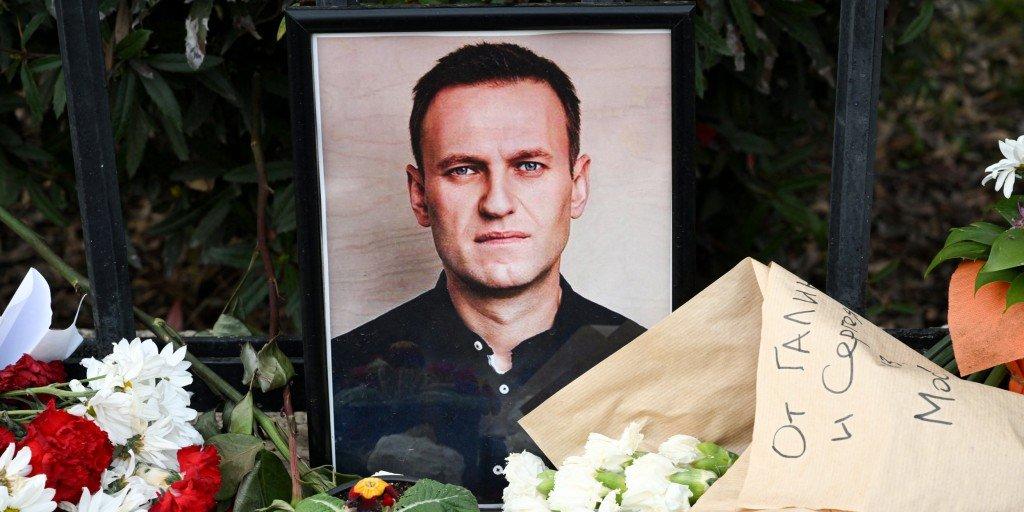
On Saturday, five European nations — the UK, France, Germany, Netherlands, and Sweden — issued a joint statement accusing Russia of killing opposition leader Alexei Navalny with epibatidine, a neurotoxin found in South American poison dart frogs. The countries said laboratory analysis of samples from Navalny's body "conclusively" confirmed the toxin's presence. They argued the substance is not found naturally in Russia and can be synthesized, and that only the Russian state had the means, motive, and opportunity to administer it while Navalny was imprisoned. The five nations reported their findings to the Organisation for the Prohibition of Chemical Weapons.
Navalny died in February 2024 in an Arctic penal colony while serving lengthy sentences on charges he said were politically motivated. Russian authorities said he collapsed after feeling unwell during a walk. The Kremlin has consistently denied any role in his death and dismissed the European findings as "Western propaganda" and "necro-propaganda."
US Secretary of State Marco Rubio, speaking in Slovakia on Sunday, called the European report "troubling" and said Washington had "no reason to question it," but the United States did not join the statement. Rubio explained this was a European-led initiative based on their intelligence gathering. UK Foreign Secretary Yvette Cooper said her government is considering additional sanctions against Russia and emphasized the findings resulted from two years of evidence-gathering.