Explicitly frames fundraiser as 'poignant indictment of the U.S. health care system.' Uses Van Der Beek case to argue broader political points about healthcare failure. Omits family's property assets and selective context about his contract situation. Loaded language: 'punishing toll,' 'dire straits.' Question 'what hope do I have?' assumes reader should identify with celebrity's situation without examining differences.
Loaded LanguageNarrative FramingSelective OmissionAppeal to Emotion
“'If a successful Hollywood actor's family can be left in dire straits after a major medical fight, then what hope do I have of financially surviving a major medical diagnosis?'”
“'Despite spending almost twice as much as other wealthy nations on health care, the U.S. continues to have poorer outcomes'”
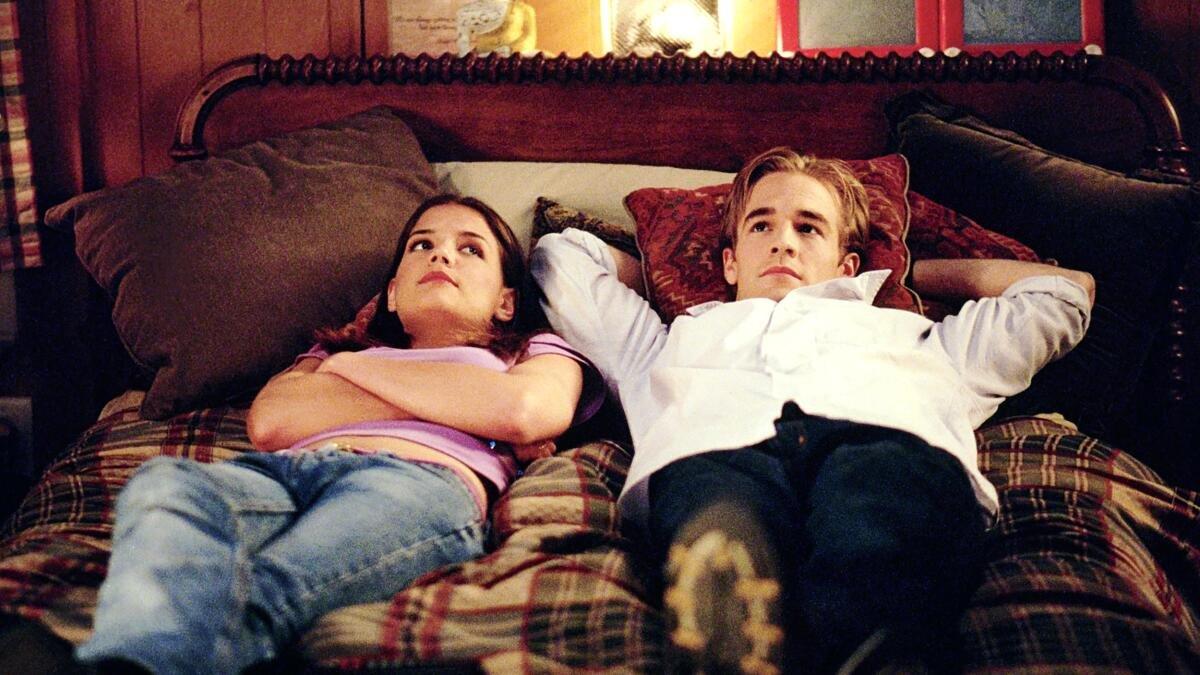
Tabloid-style 'where are they now' piece using Van Der Beek's death as hook for broader 'Dawson's Creek' cast recap. Sensationalized framing: 'tragic death,' 'boozy brawl arrest,' 'devastating divorce.' Focus on scandal and drama over substantive reporting. Minimal discussion of Van Der Beek's actual situation—buried amid Katie Holmes dating history and Joshua Jackson's 2002 arrest.
Loaded LanguageAppeal to EmotionNarrative FramingAnchoring
“'TOUCHING tributes have flooded in since the passing of James Van Der Beek, commending his bravery, compassion, selflessness'”
“'From a devastating high-profile divorce to a humiliating arrest after a drunken fight and the star who lost his $2million home'”
Uses Van Der Beek's death as framing device for broader healthcare policy discussion. Expert interview focuses on systemic issues: 'Most patients with medical debt have insurance.' Article emphasizes structural problems over individual circumstances. The pivot from Van Der Beek specifically to general healthcare critique serves progressive healthcare reform narrative.
Narrative FramingAnchoringCollective Narrative Alignment
“'The general systematic problem is that the rate of healthcare spending growth has, for the most part, exceeded wage growth over the last several decades.'”
“'People who try to access care that they cannot afford will get creative, they shift debt around to keep the appointments and treatments going.'”
Emphasizes Van Der Beek's rejection of 'Hollywood life' and embrace of 'simpler life' on Texas ranch. Focus on family values, faith, and spiritual journey over financial/healthcare issues. Language like 'did something radical' and 'dedicated his life to fatherhood' frames leaving LA as virtuous choice. Minimal discussion of fundraiser mechanics or healthcare costs—emphasizes character over systemic critique.
Narrative FramingSelective Omission
“'In 2020, Van Der Beek rejected Hollywood life and did something radical, taking his wife Kimberly and their children and trading Los Angeles for a ranch outside Austin, Texas.'”
“'I am worthy of God's love. Simply because I exist. And if I'm worthy of God's love, shouldn't I also be worthy of my own?'”
Straightforward reporting of fundraiser details and celebrity donations. Includes Reddit criticism ('Why are we donating to a celebrity?') alongside supportive comments, providing balance. Slightly emphasizes emotional appeal with 'urgent need' framing but presents competing perspectives on the appropriateness of the fundraiser.
Loaded LanguageAppeal to Emotion
“'There is a sincere and urgent need here for the family.'”
“'Why are we donating to a celebrity? This is dystopian. $1m is more than a lot of American families will see in their lifetime.'”
Reports fundraiser success with emphasis on 'outpouring of financial support.' Includes social media commentary showing both support and concern about healthcare system. Quote 'It's sad, but I'm glad that people are supporting his family' and question 'why was no one there for him...while he was struggling' provide competing perspectives without outlet taking position.
Source Selection Bias
“'It just makes me so sad that our medical system is so messed up in this country that even a celebrity's family has to ask for donations.'”
“'Thing is, why was no one there for him, helping him while he was struggling to sell his merch for his treatments? This would have been a great thing for him to witness.'”
Emphasizes Spielberg donation and 'Dawson's Creek' connection to director. Provides context about Van Der Beek's 2012 statement on 'bad contract' and lack of residuals—important financial background most outlets omit. Includes details about prior fundraising efforts by castmates and Paul Walter Hauser. Balanced reporting with relevant context, though still lacks interrogation of specific financial needs.
“'There was no residual money. I was 20. It was a bad contract. I saw almost nothing from that.'”
“'Before his death, Van Der Beek auctioned off personal memorabilia and sold collectibles to help pay for his cancer treatments.'”
Emphasizes Spielberg donation and 'Dawson's Creek' character connection. Provides valuable context about September reunion fundraiser and December memorabilia auction with specific sale prices. Lists other industry donors systematically. Statement from family thanking donors. Factual reporting with entertainment industry focus but minimal editorial framing.
“'Your kindness has meant more than we can put into words. In the middle of deep grief, your support has been a light.'”
“'His voice and advocacy will leave a lasting mark on the fight against colorectal cancer.'”
Local Austin news angle—focuses on Van Der Beek as Texas resident. Straightforward reporting of GoFundMe details and family statement. No systemic healthcare critique or celebrity criticism. Factual tone with direct quotes from fundraiser page. Brief context about cancer diagnosis and family's statement.
“'Throughout his illness, the family faced not only emotional challenges but also significant financial strain as they did everything possible to support James and provide for his care.'”
“'The costs of James's medical care and the extended fight against cancer have left the family out of funds.'”
Straightforward reporting of Spielberg donation and GoFundMe success. Emphasizes Spielberg-Dawson connection with specific 'Dawson's Creek' references. Quotes fundraiser statement about family being 'out of funds' without interrogation. Lists other celebrity donors. Minimal editorial framing—presents information factually with focus on Hollywood community support.
“'The costs of James's medical care and the extended fight against cancer have left the family out of funds.'”
“'Every donation, no matter the size, will help Kimberly and her family find hope and security as they rebuild their lives.'”
Brief, factual summary of major donations and fundraiser success. Lists Spielberg, Saldana, and Chu contributions with amounts. Includes family statement thanking donors. No editorial commentary or systemic critique. Straightforward wire-style reporting focused on celebrity donation amounts and campaign exceeding goal.
“'Thank you from the bottom of our hearts for showing up for James and his beautiful family.'”
Straightforward reporting of GoFundMe success and organizer statement. Minimal editorial framing—mostly quotes and factual updates. Lists celebrity donors without commentary on appropriateness. Focuses on gratitude message from organizers rather than systemic issues or controversy. Professional, neutral tone throughout.
“'Your kindness has meant more than we can put into words. In the middle of deep grief, your support has been a light.'”
“'Please continue to keep James's wife and loved ones in your thoughts and prayers. Thank you for honoring his life with compassion, generosity, and love.'”
Human interest story focused on Alfonso Ribeiro's personal tribute and 'last goodbye' photo. Minimal framing or editorial commentary—straightforward reporting of friendship and grief. Brief mention of GoFundMe success and Spielberg donation as factual context. Emotional content comes from Ribeiro's own words, not journalistic characterization.
“'I will forever be in debt for all they've given me and my family. He will live forever in my heart.'”
“'Being able to say goodbye this weekened will always live with me. RIP my brother. RIP.'”
Brief wire service style report. Focuses on Alfonso Ribeiro's final photo and tribute. Minimal editorial content—mostly factual reporting of social media posts and basic death details. No discussion of healthcare costs or fundraiser controversy. Straightforward, neutral presentation.
“'My last moment was making him laugh one last time. I really miss him already.'”
“'I'm so broken right now with the passing of my friend. He was my true friend, brother and life guide.'”
Entirely different story—radio host mixing up Dick Van Dyke and James Van Der Beek. No discussion of fundraiser or healthcare costs. Purely factual reporting of the on-air mistake and subsequent apology. Provides basic context about Van Der Beek's death without editorial framing. Unrelated to main narrative.
“'I do have some sad news: Dawson's Creek's Dick Van Dyke has passed away.'”
“'Not Dick Van Dyke ... come on ... If you're going to do a sensitive moment, if you're going to do an obituary, you can't just say Dick Van Dyke.'”