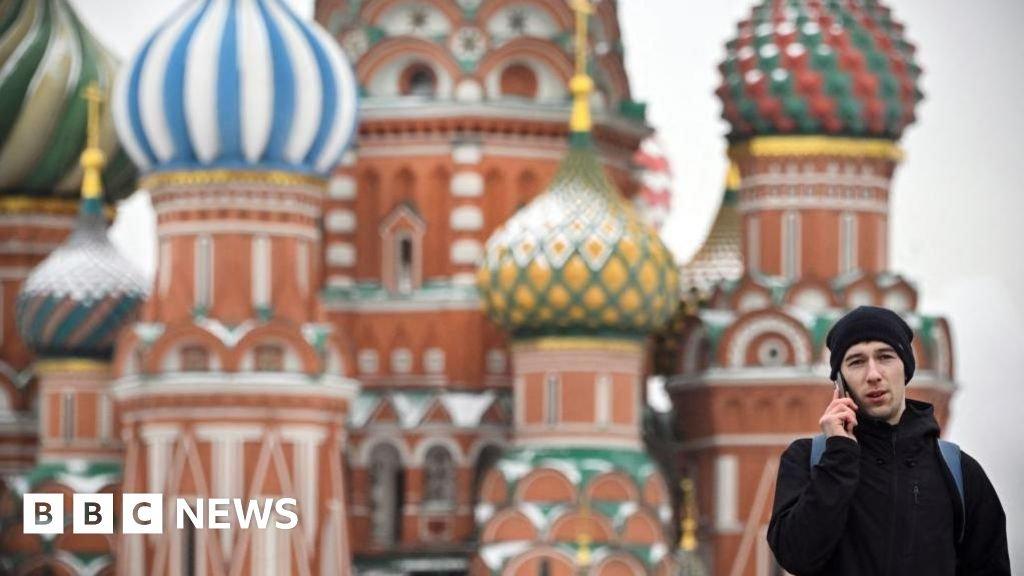
On February 12, 2026, Russia implemented a full block of WhatsApp by removing the app from its national domain name registry, making it inaccessible without VPN use. Kremlin spokesman Dmitry Peskov stated the block resulted from Meta's unwillingness to comply with Russian legislation requiring companies to store Russian users' data inside the country and share information with law enforcement agencies. Russian authorities are promoting MAX, a state-backed messaging app, as a replacement. MAX was launched in 2025 and, as of last year, must come pre-installed on all new devices sold in Russia.
WhatsApp issued a statement saying Russia attempted to "fully block" the service to drive users to a "state-owned surveillance app." The company said it would continue trying to keep users connected. Russian authorities have also increased restrictions on Telegram this week, despite its widespread use by Russian military forces in Ukraine.
MAX is modeled after China's WeChat and combines messaging with government services. The app openly states in its terms that it shares user data with Russian authorities upon request. Critics say MAX lacks the end-to-end encryption that WhatsApp provides, making communications vulnerable to state monitoring. Russia previously designated Meta as an extremist organization in 2022 and has blocked Instagram, Facebook, X (formerly Twitter), Snapchat, and restricted FaceTime, Signal, and YouTube.