This article uses heavily loaded language throughout, repeatedly calling CJNG a "terrorist Organization" (with capital O) rather than criminal organization. It presents cartel structure as "intelligence" obtained exclusively through this outlet's sources, framing the reporting as insider access. The characterization of cartel operations uses inflammatory terms like "spread terror" and emphasizes violent capabilities while treating organizational charts as revelatory rather than widely known. The framing serves a law-and-order narrative emphasizing the threat level.
Loaded LanguageNarrative FramingSource Selection Bias
“The terrorist Organization Cartel Jalisco New Generation has established a hierarchical structure”
“In the aftermath of his death, his cartel forces spread terror throughout Mexico, torching buildings, setting up blockades, and carjacking vehicles in a show of force.”
This article uses the World Cup angle to lead with fear-based framing, emphasizing mass graves and violent chaos to question Mexico's fitness to host. The headline and opening graf immediately connect World Cup preparations to cartel violence and mass graves, creating an ominous association. The article provides factual information about grave discoveries but structures it to maximize alarm about tourist safety. The framing serves readers' safety concerns but also sensationalizes the threat level to international visitors.
Appeal to EmotionNarrative FramingAnchoring
“football fans are growing increasingly weary of visiting the nation that has seen a wave of violence”
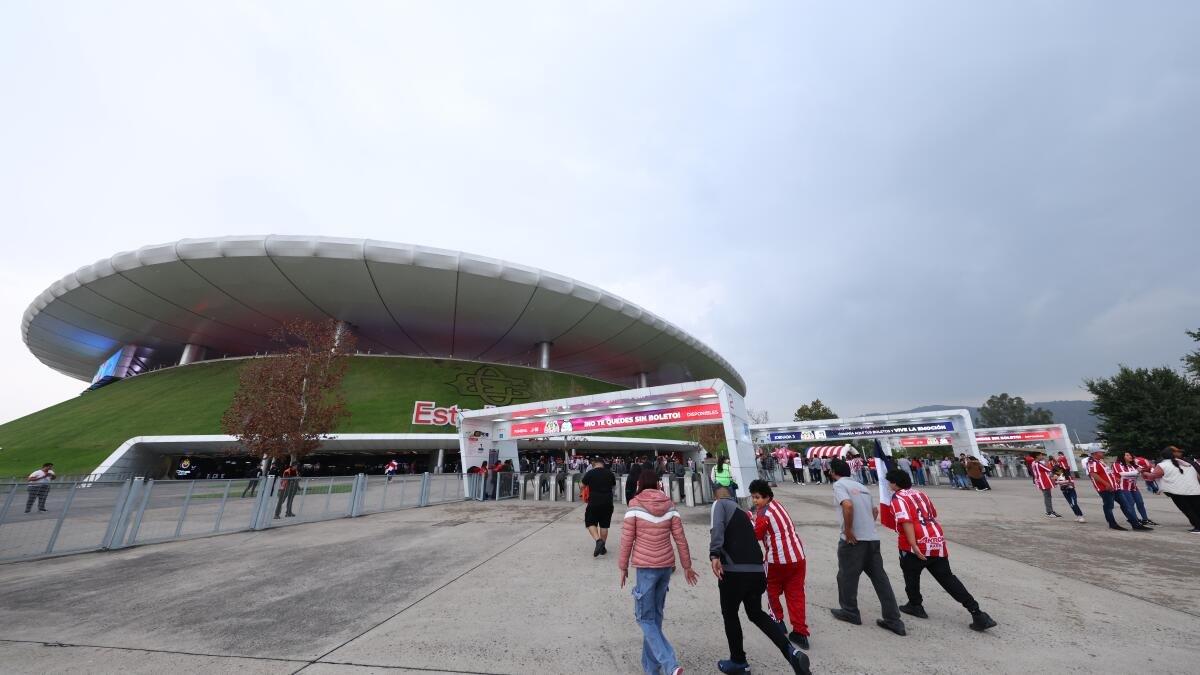
“Last year, hundreds of human remains were discovered within a 10-mile radius of Akron Stadium in Guadalajara”
This article takes a tabloid approach, focusing on sensational details about El Mencho's hideout: messy rooms, takeout containers, medication bottles, religious figurines. The framing emphasizes the contrast between luxury villa and squalid conditions, using phrases like "bomb had gone off" and "eerie photos." The characterization of El Mencho as "bloodthirsty" is editorializing. While factually describing the scene, the article structures information for maximum dramatic impact rather than analytical value, treating cartel leadership lifestyle as exotic spectacle.
Loaded LanguageAppeal to EmotionNarrative Framing
“The bloodthirsty drug leader also had Catholic saint figurines displayed on a makeshift altar”
“In the kitchen it looked as if a bomb had gone off”
This article uses sensational framing to introduce El Mencho's potential successor, describing him as "TERRIFYING" and emphasizing his American citizenship and $5 million bounty. The piece provides factual biographical information but structures it for maximum dramatic impact. Characterizations like "fresh-faced contender" and "reign of terror" add editorial color beyond neutral reporting. The article includes competing analyst perspectives on succession but opens with alarmist language that sets an anxious tone.
Loaded LanguageAppeal to EmotionAnchoring
“A TERRIFYING rumoured successor to El Mencho's $20billion criminal empire”
“Now a fresh-faced contender looking to take over from El Mencho's reign of terror has emerged”
This opinion piece explicitly advocates for drug legalization and taxation as an alternative to enforcement, using economic theory to argue the "war on drugs" is counterproductive. The author uses personal narrative (aunt's crack dealing) and academic credentials (studying under Becker and Murphy) to establish authority. The framing is advocacy journalism presenting a specific policy position. The piece makes sophisticated economic arguments but presents them as settled conclusions rather than contested policy debates. This is opinion clearly labeled as such, making bias appropriate to the format.
Narrative FramingSource Selection Bias
“This approach, according to the economics of illegal markets, is almost certainly making the problem worse”
“The social harms of drug use are dwarfed by the social harms of prohibition”
This article centers American tourist experiences, using firsthand accounts to create dramatic narrative tension. The framing emphasizes chaos and danger through vivid descriptions ("trapped between" burning blockades, "town burning") while including reassuring elements about local help and cartel members not targeting Americans. The piece balances alarm with context but structures information to prioritize emotional impact. The "Americans recount chaos" framing makes this about U.S. citizens' experiences rather than the broader Mexican context.
Appeal to EmotionNarrative Framing
“At first, we thought it was an accident, but then we saw people running full speed away from the bus”
“From the water, we could see what looked like much of the town burning.”
This article provides balanced coverage while subtly emphasizing the Mexican government's challenge in providing security guarantees. It includes local resident skepticism about World Cup hosting alongside official reassurances, and notably includes important context about the "kingpin strategy" and Sheinbaum's previous criticism of it. The piece presents the contradiction between Sheinbaum's stated position and her administration's actions, though it doesn't fully explore this tension. The framing is fair but slightly favors questioning official competence.
Narrative Framing
“I don't think they should host the World Cup here. We have so many problems, and they want to invest in the World Cup?”
“Killing capos, in what's become known as the 'kingpin strategy,' has been criticized by Sheinbaum herself”
This article effectively uses one family's dilemma as a narrative device to explore broader security questions. The framing is sympathetic to tourist concerns ("I'm more than worried. I'm nervous. I'm scared") while providing balanced context including official reassurances and expert security analysis. The piece presents competing perspectives fairly and includes specific details about the family's $10,000 investment, making the stakes concrete. The structure leads with emotion but follows with substantive information.
Narrative FramingAppeal to Emotion
“I'm more than worried. I'm nervous. I'm scared”
“They have every guarantee. There is no risk”
This article, structured as a podcast transcript, provides good historical context on El Mencho's nearly two-decade career and includes critical perspective on the operation's timing relative to U.S.-Mexico meetings. The journalist characterizes López Obrador's "hugs not bullets" approach as enabling cartel growth, which is a debatable interpretation. The piece presents the "kingpin strategy" pattern fairly and notes the contradiction in Sheinbaum's approach. The conversational format allows for more analytical interpretation than straight news reporting.
Narrative Framing
“All of these people that join this business, let's call it a business, know that they are in it for a likely exhilarating, if that sort of thing excites you, but very short ride”
“He was very respectful of the cartels and very respectful of the leaders”
This article balances local resident concerns with official reassurances, using one restaurant owner's perspective as a throughline. The piece includes important context about Jalisco's violence history and the "kingpin strategy" debate, including Sheinbaum's previous criticism of the approach. The framing is even-handed, presenting legitimate questions about World Cup security without sensationalizing. The article provides substantive policy context while remaining accessible through personal narrative.
“I don't think they should host the World Cup here. We have so many problems, and they want to invest in the World Cup?”
“Killing capos, in what's become known as the 'kingpin strategy,' has been criticized by Sheinbaum herself”
This article focuses on FIFA president Infantino's reassurances about World Cup safety, presenting both his confident statements and the violent context that prompted questions. The framing is balanced between official reassurances and legitimate security concerns, with factual descriptions of the violence ("carnage," "havoc," "chaos") that don't sensationalize beyond what occurred. The piece includes multiple official voices offering guarantees, presenting them without editorial comment on their credibility.
“Very reassured, everything's good. It's going to be spectacular”
“Roads have been blocked by burning cars, sending plumes of smoke into the air, while banks and local businesses have also been set alight.”
This article provides balanced coverage of both the operation and the Mexican government's response to World Cup security concerns. The piece presents multiple official voices offering reassurances alongside the context of widespread violence. The framing is even-handed, describing facts without sensationalizing: death tolls, flight resumptions, official statements. The article treats security questions as legitimate without suggesting the World Cup should be moved.
“We have not been notified of any reports of Americans being injured, kidnapped, or killed”
“Little by little the situation [in Jalisco] is returning to normal”
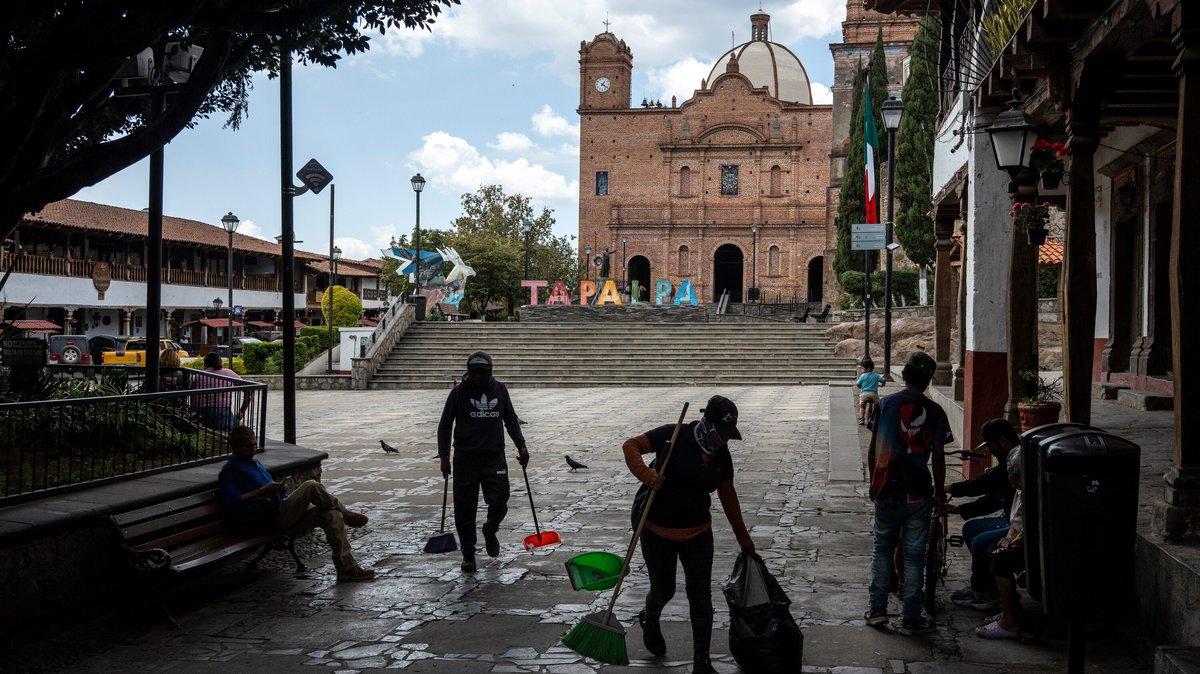
This article provides strong original reporting with on-the-ground observations from Tapalpa and the nearby crime scene. The reporter's firsthand description of the unsecured scene with spent shell casings and abandoned homes adds important context. The piece includes local resident perspectives and critically examines the lack of law enforcement presence at the crime scene, presenting this as a pattern of Mexican investigative failures. The framing is skeptical of official competence without being sensationalistic.
“It was like something out of a movie. It's just hard to believe it really happened here.”
“Such a lack of oversight is common among Mexican law enforcement, who have a long history of leaving high-stakes crime scenes unpoliced”
This is an extremely brief excerpt containing only a single paragraph about U.S. involvement and Trump's State of the Union reference. The limited content is presented factually without loaded language. The excerpt provides important context about U.S. intelligence support and political framing of the operation. Too little text exists to assess broader bias patterns.
“The White House confirmed that the U.S. provided intelligence support to capture the cartel leader”
“We've also taken down one of the most sinister cartel kingpins of all. You saw that yesterday.”
This article provides useful biographical context about El Mencho's early criminal career in San Francisco, using court records and federal documents to establish facts. The framing is straightforward historical reporting, detailing his arrests, deportations, and eventual federal conviction. The piece connects this background to the power vacuum after El Chapo's arrest that enabled El Mencho's rise. The reporting is factual without loaded characterizations, though the opening description of "chaos" is somewhat dramatic.
“He was first arrested in 1986, when San Francisco police caught El Mencho trying to sell a 'meager street-level-sized stash of crystal meth'”
“This enabled Nemesio Rubén Oseguera Cervantes, commonly known as 'El Mencho,' to become the leader of the Cartel de Jalisco Nueva Generación (CJNG) and seize power across the country”
This is essentially a video description for on-the-ground reporting in a different cartel-affected city (Culiacán). The framing is straightforward, using neutral descriptors like "deadly cartel violence" and focusing on paramedics' firsthand accounts. The content warning about graphic imagery demonstrates journalistic responsibility. Limited analysis prevents deeper bias assessment, but presentation appears factual.
“Members of the Jalisco New Generation Cartel (CJNG) have turned many towns and cities where the cartel is active into war zones.”
“Héctor said the violence in Culiacán had never been so bad or gone on for so long.”
This article focuses on the U.S. Embassy's announcement that airports have returned to normal operations. The framing is straightforward and informative, providing practical travel information and official statements. The piece includes basic context about the violence and casualty figures without sensationalizing. The emphasis on American tourist safety is appropriate given the embassy statement focus, and the article distinguishes between lifted and ongoing restrictions clearly.
“Flight schedules have returned to normal in Guadalajara and many airlines have extra flights planned for today”
“Both airports are secure and amenities are available”
This article is structured as practical travel advisory information for Americans, particularly spring breakers. The framing is service-oriented, clearly distinguishing between different advisory levels, affected regions, and current status. The piece provides specific, useful information without sensationalizing or downplaying risks. The neutral tone and focus on factual updates about flight operations and advisory levels makes this straightforward reporting designed to inform travel decisions.
“Currently, Mexico is set at a level 2 travel advisory, which means Americans should exercise increased caution”
“Cabo is considered safe right now, with normal tourism operations”
This appears to be a brief podcast/radio segment description rather than full article text. The limited content is framed as questions without providing answers or analysis, making bias assessment difficult. What's present uses neutral language and presents the central tension fairly: official claims of victory versus the reality that removing leaders doesn't dismantle cartels.
“Mexico says it killed El Mencho, leader of the powerful Jalisco New Generation Cartel. Within hours, highways burned and violence spread across multiple states.”
This appears to be a brief video segment description. The limited text is entirely factual, describing the villa location and basic facts without loaded language or framing choices. The content focuses on the physical setting of El Mencho's final hours without editorial characterization. Too minimal to assess broader bias patterns, but what's present is straightforward.
“Feared Mexican cartel leader Nemesio Oseguera, or 'El Mencho,' spent his final hours in a luxury villa”