

Bias Score
58%
Headline Bait
52%
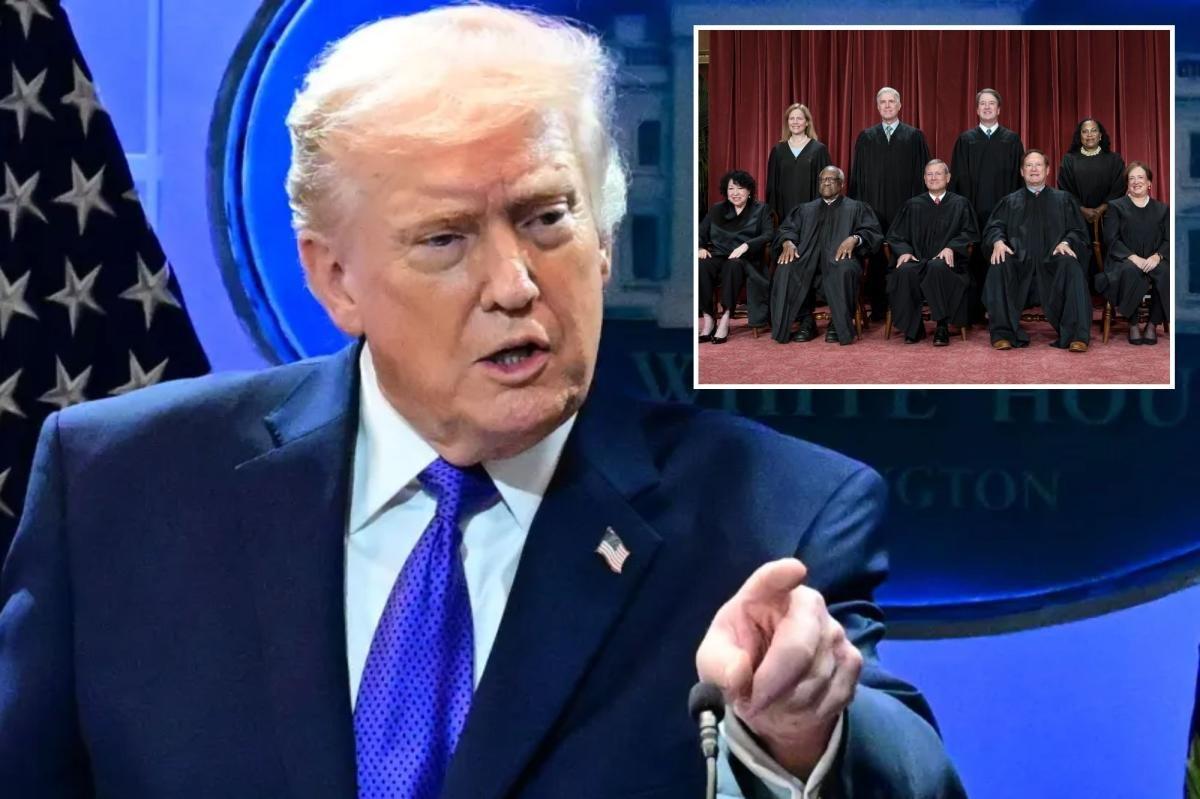
This article frames the decision as far more significant than just tariffs, arguing it constrains Trump's ability to impound funds and wage war. The piece adopts advocacy framing throughout, treating the ruling as a major constitutional victory against Trump. Uses loaded characterizations like Trump "accepts no limits to his power" and suggests justices intentionally created a "roadmap" to constrain him.
Narrative FramingLoaded LanguageAppeal to EmotionSelective Omission
“Trump will pay no heed, of course. He accepts no limits to his power and has shown no respect for the Constitution, Congress, the Supreme Court, or the rule of law”
“It reaffirms a basic constitutional principle about the division and separation of powers between Congress and the president”


