

Trump prepares to unleash 'weeks-long blitz on Iran within days'

By Georgie English ·
Bias Score
75%
Headline Bait
70%
This article uses heavily sensationalized language throughout — 'debilitating blitz,' 'tyrant Ayatollah,' 'dictator is posturing,' 'armada' — presenting the story as an action-movie narrative rather than factual reporting. It characterizes Khamenei's statements as those of a 'dictator posturing' without basis, and uses 'Tyrant' as a descriptor, crossing from reporting into advocacy.
Loaded LanguageAppeal to EmotionNarrative FramingContext Stripping
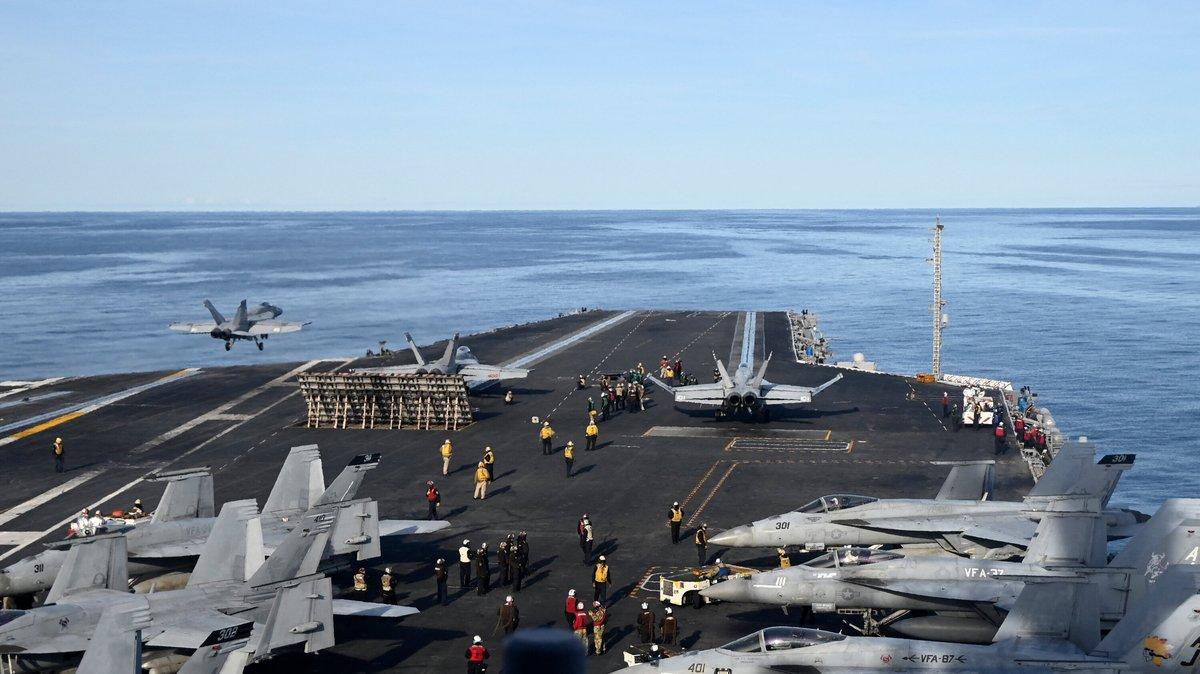
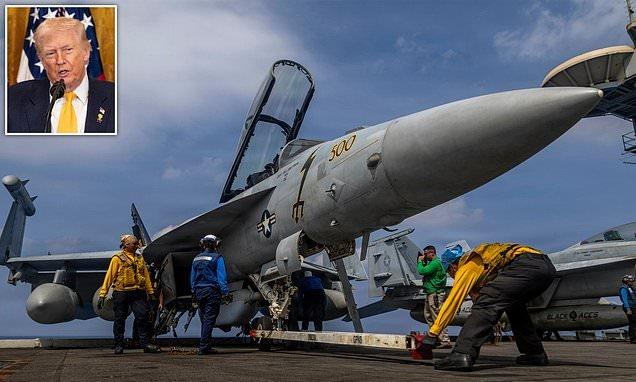
“DONALD Trump could unleash a debilitating 'weeks-long blitz' on Iran in the next few days with his imposing military poised to strike”
“Tyrant Ayatollah Ali Khamenei threatened to sink US warships lurking in the Persian Gulf yesterday”


