The Department of Homeland Security entered a partial government shutdown at midnight on Friday, February 14, 2026, after Congress failed to pass a funding bill before leaving for a week-long recess. Senate Democrats blocked both a full-year funding measure and a two-week extension, insisting on reforms to immigration enforcement practices before approving any DHS funding. The impasse centers on Democratic demands for restrictions on ICE and CBP operations, including requirements for body cameras, visible identification, judicial warrants for arrests on private property, and prohibitions on agents wearing masks.
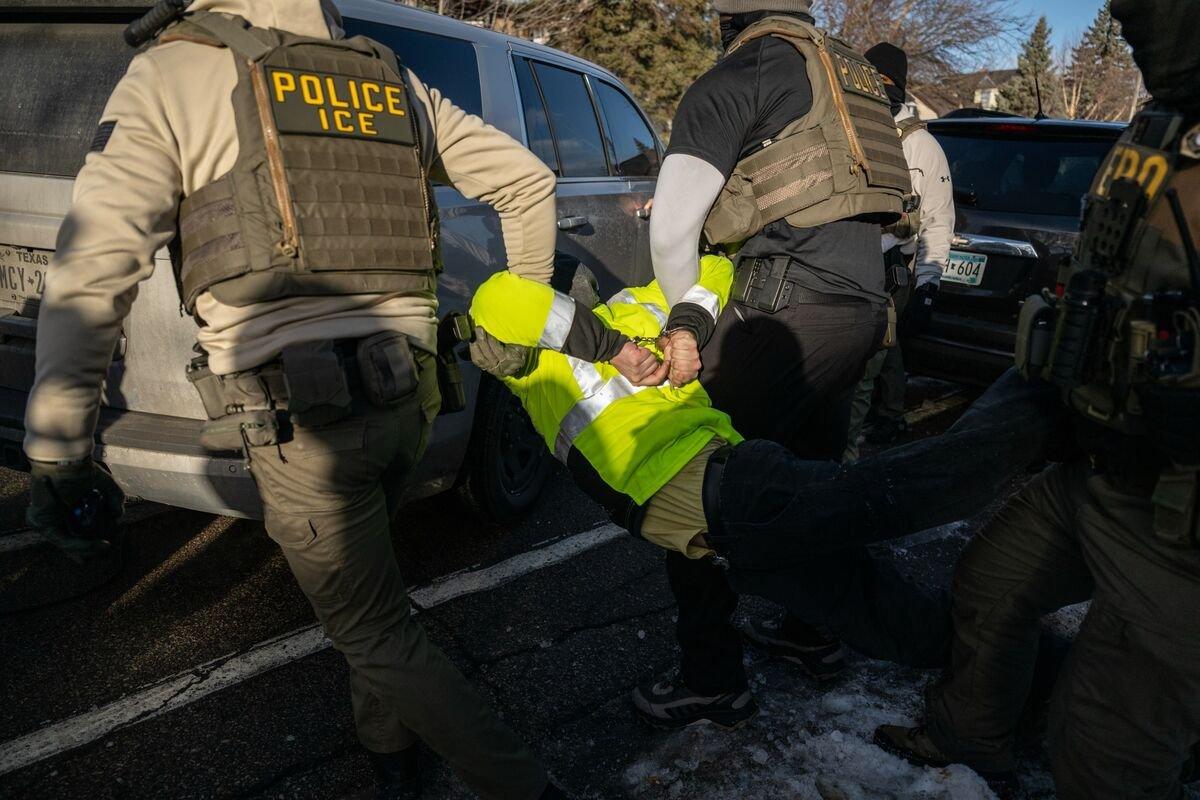
The standoff emerged after federal immigration agents fatally shot two U.S. citizens, Renee Good and Alex Pretti, in Minneapolis during enforcement operations in January. Senate Democrats initially presented a list of 10 demands for ICE and CBP reforms. The White House sent a counteroffer late Wednesday that Democrats rejected as insufficient, though specific details of the proposal have not been publicly disclosed. Senator John Fetterman of Pennsylvania was the only Democrat to vote with Republicans in favor of advancing the Republican funding bill.
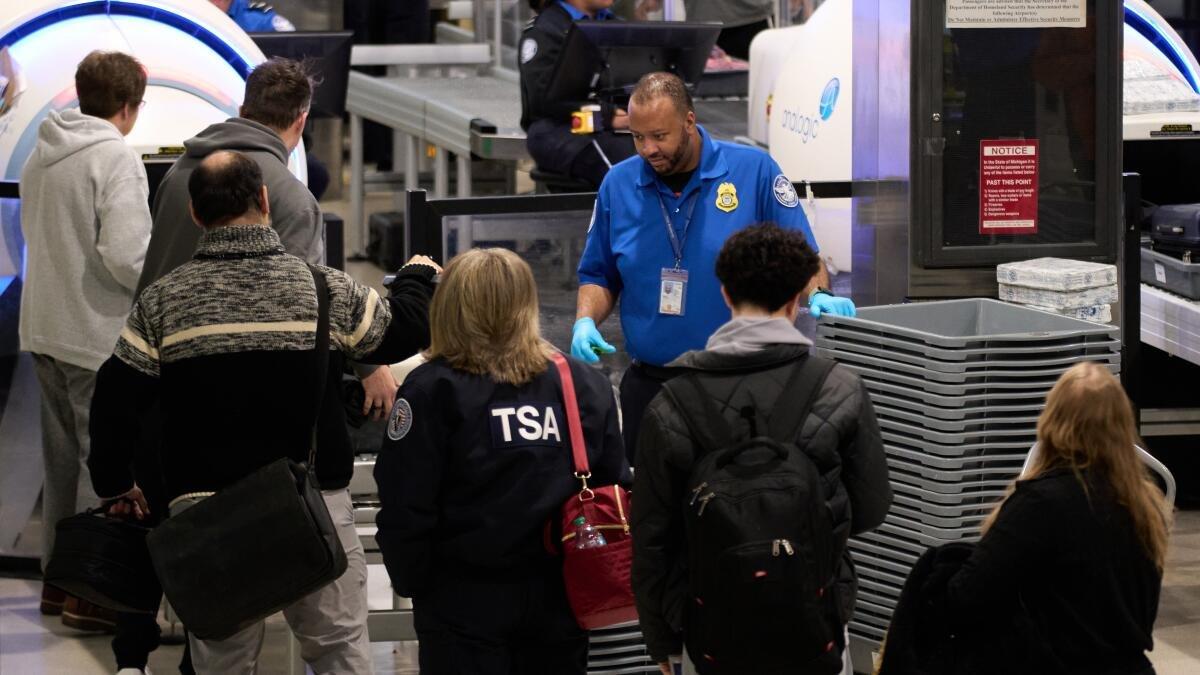
Unlike previous government shutdowns, this one affects only DHS, not other federal agencies. Most of the department's 260,000+ employees are classified as essential and will continue working. ICE and CBP have access to approximately $140 billion allocated in last year's "One Big Beautiful Bill Act," allowing immigration enforcement operations to continue largely unaffected during the shutdown. Other DHS agencies including TSA (about 95% essential workers), Coast Guard, FEMA, and Secret Service are impacted, with workers outside ICE and CBP expected to miss paychecks if the shutdown extends beyond two weeks. Congress is on recess until February 23, with leaders authorized to call members back if a deal is reached.