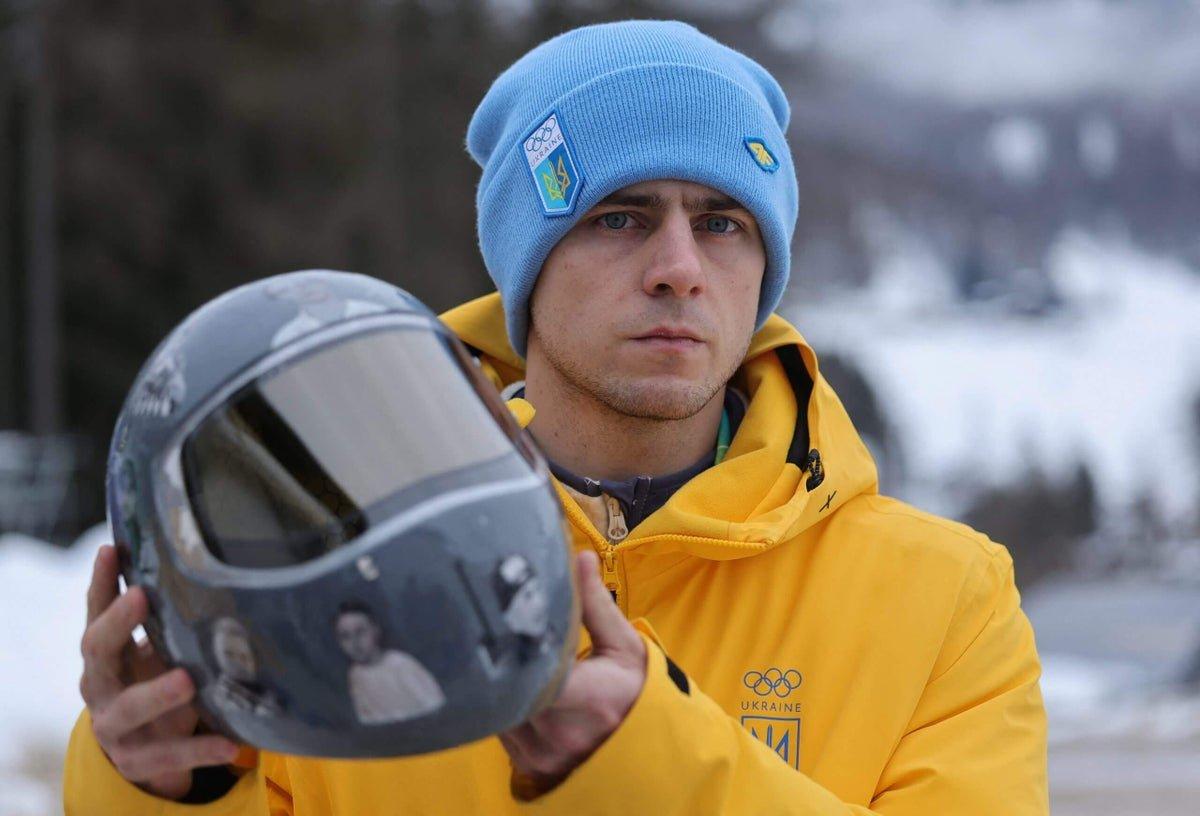
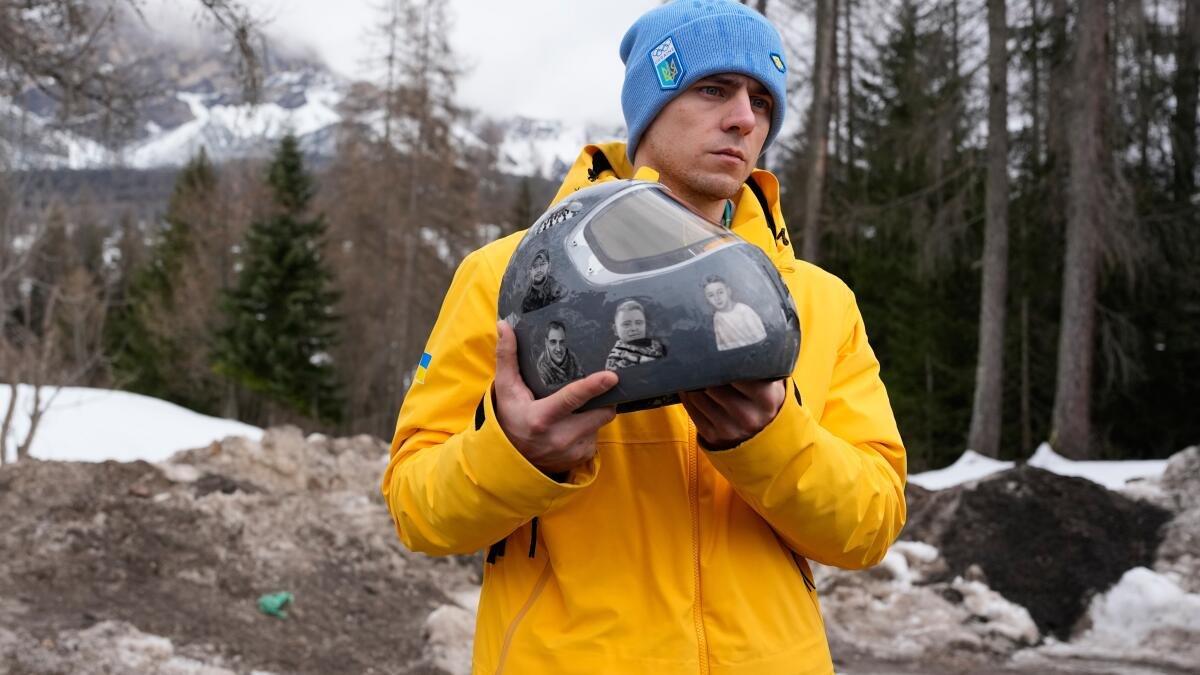
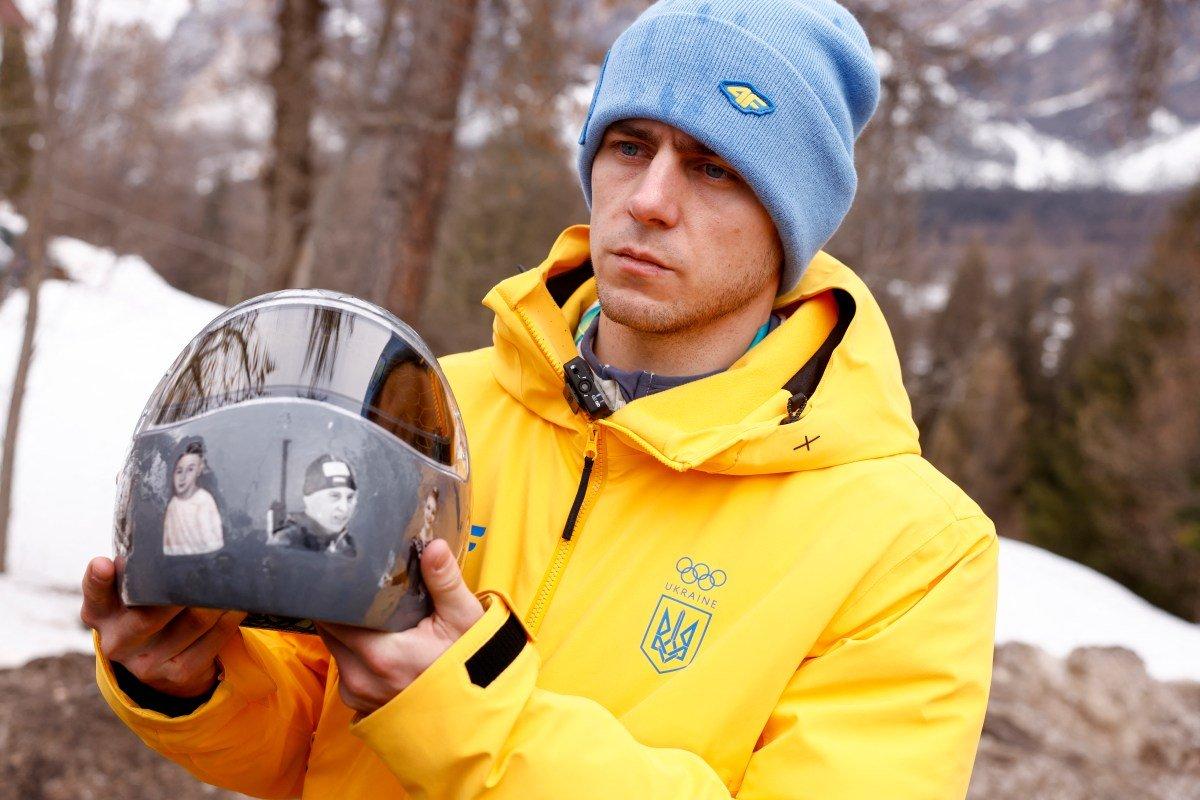
Ukrainian skeleton racer Vladyslav Heraskevych, 27, was disqualified from the men's skeleton event at the 2026 Milan Cortina Winter Olympics on Thursday, February 13, approximately 45 minutes before competition began. The disqualification stemmed from his insistence on wearing a "helmet of memory" during competition — a helmet bearing portraits of more than 20 Ukrainian coaches and athletes killed since Russia's full-scale invasion of Ukraine in 2022. The helmet contained no words, slogans, or explicit references to Russia.
The IOC had allowed Heraskevych to wear the helmet during training runs and offered a compromise: he could wear a black armband during competition and display the helmet in media areas. Heraskevych refused the compromise. IOC President Kirsty Coventry met with him trackside Thursday morning in a final attempt to broker a deal, but was unsuccessful. Coventry was reportedly in tears afterward.
On Friday, the Court of Arbitration for Sport's ad hoc division dismissed Heraskevych's appeal. The sole arbitrator, German judge Annett Rombach, ruled the IOC's Athlete Expression Guidelines under Rule 40 — not the more commonly cited Rule 50 banning political demonstrations — provided reasonable and proportionate limits on field-of-play expression. The arbitrator expressed full sympathy for Heraskevych's cause but said she was bound by the rules.
Heraskevych subsequently traveled to Munich, where he met Ukrainian President Zelenskyy at a security conference and received Ukraine's Order of Freedom. He said the IOC's decision served Russian propaganda and reported receiving threats from Russians. The IOC maintained the rules exist partly to protect athletes from being pressured to carry political messaging.